Ishikawa Prefectural Museum of Art (also called IPMA) traces its roots to a predecessor museum founded in 1959, while the present museum opened in 1983. It holds about 4,000 works of fine art and craft centered on Ishikawa, including local cultural assets, works by local artists and craftsmen, antiques from the Maeda family collection, and modern works of art from the 20th century.
The museum’s exhibition rooms display rare old pieces of kutani-yaki ceramics, Kaga lacquerware, yuzen dyed silk kimonos, Buddhist scrolls, screen paintings, swords, modern oil paintings, watercolors, sculptures and more.
The museum’s most famous works include a colorful pair of 17th century ceramic incense burners shaped like male and female pheasants. They were made by a famous potter called Nonomura Ninsei. The male pheasant is a designated National Treasure, while the female pheasant is an Important Cultural Property, and their dedicated Pheasant Incense Burner Room was renovated in March 2026.
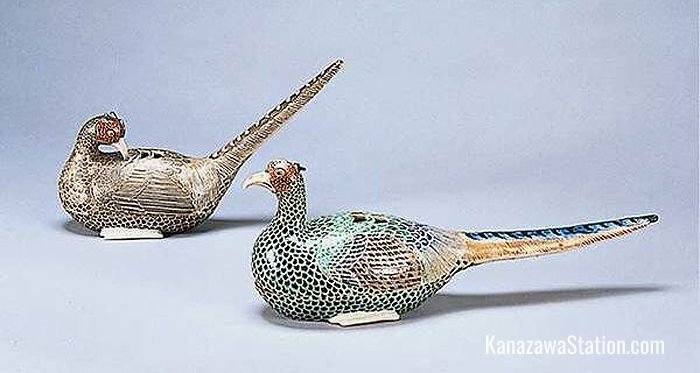
Incense burners by Nonomura Ninsei
IPMA is just a short walk up the hill from the more famous 21st Century Museum of Contemporary Art, and is often overlooked by visitors to Kanazawa because there are simply so many museums to see here. It is however, an essential stop for art lovers as it gives such a wide ranging and impressive overview of the region’s cultural heritage.
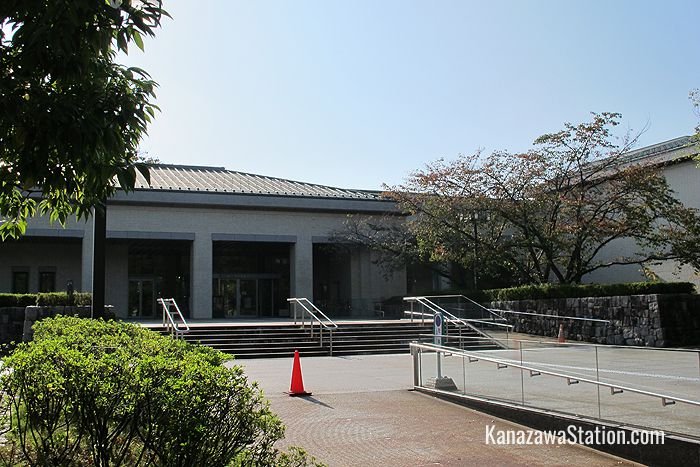
Ishikawa Prefectural Museum of Art
Facilities & Services
On the 1st floor entrance level you will find an information desk, a souvenir shop, and a café. The ticket office for the museum is on the 2nd floor.
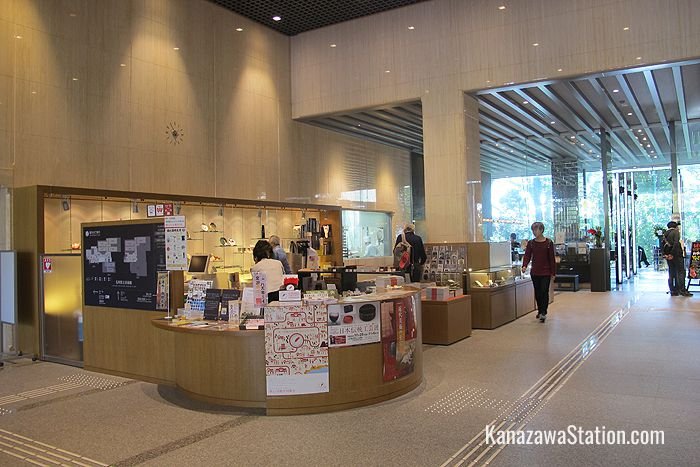
The museum shop and information counter
The souvenir shop sells art reproductions and original goods connected with the museum collection, as well as picture postcards, stationery, catalogues, art books, and craft-related items.
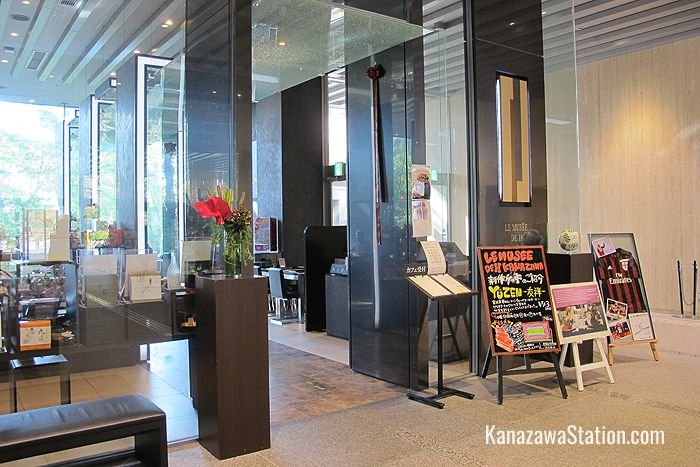
The museum café: Le Musee de H
The café is Le Musee de H KANAZAWA, produced by Ishikawa-born patissier Tsujiguchi Hironobu. It serves sweets and café items, is open from 10.00 till 18.00 with last order at 17.00, and does not require museum admission. Take-out is also available, and visitors should check the café’s official site or social media for any temporary changes.
The collection galleries have a multilingual audio guide system for major works. Visitors can scan QR codes with their own smartphones, and dedicated audio guide devices are available for visitors without smartphones. Bring earphones if you want to use audio playback.
Wheelchairs and strollers are available to borrow, and the museum has elevators, accessible toilets, coin lockers, and a general information counter.
Free parking is available for museum exhibition visitors. The museum has front parking for up to 60 cars, and visitors are also directed to the nearby Culture Facilities Shared Parking Lot 1 at the Ishikawa Prefectural Noh Theatre parking area when possible. Accessible parking spaces are available near the museum entrance.
Access
Ishikawa Prefectural Museum of Art is located to the south of Kenrokuen Garden and is very close to both Ishikawa Prefectural History Museum and Ishikawa Prefectural Noh Theatre. From Kanazawa Station, take a bus to Hirosaka / 21st Century Museum and walk up the slope from Hirosaka Intersection, or take a bus to Dewa-machi and walk via Kenrokuenzaka-ue and Seisonkaku. The museum is about a 5 minute walk from either stop. The Kanazawa Loop Bus departs from bus stop #7 at Kanazawa Station’s Kenrokuen Gate, and its flat fare is 220 yen for adults and 110 yen for children. Taxis from Kanazawa Station take about 10-15 minutes. Here is a map of the location.
Open: 9.30 – 18.00 (last entry at 17.30)
Closed: Exhibition rooms close during exhibition changes and the year-end/New Year holiday from December 29th to January 3rd. Either the planning exhibition rooms or collection exhibition rooms may be closed during some periods.
Collection Exhibition Admission:
Adults: 370 yen
University students: 290 yen
High School students & younger: Free
Senior citizens (aged 65+): 290 yen, or free on national holidays with proof of age
Separate fees are charged for planned/special exhibitions
Article and original photos by Michael Lambe. All rights reserved. Last updated 03-Jun-2026.